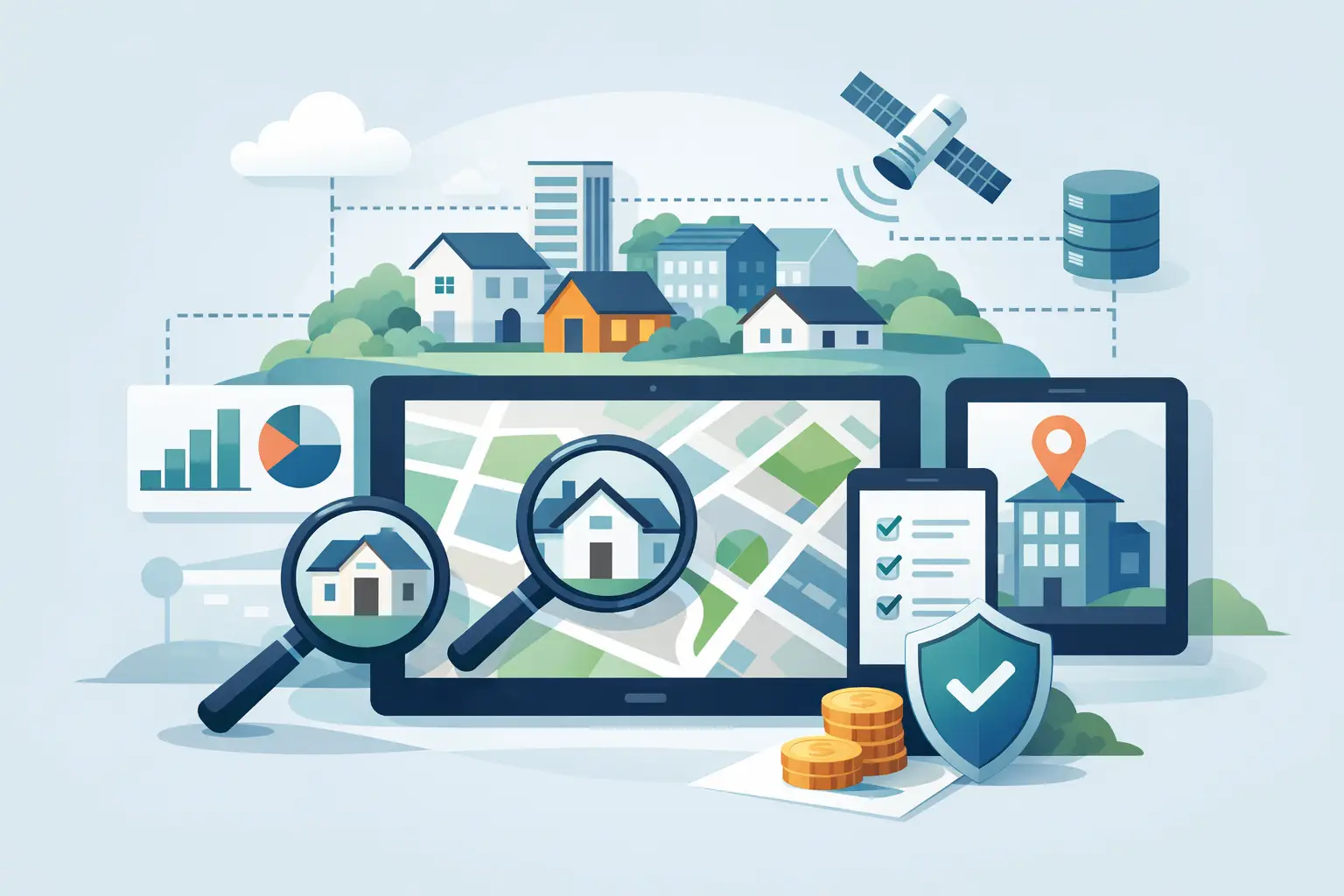
A missed turnover, a pricing gap over a holiday weekend, and a maintenance issue that sits too long can all come from the same problem: fragmented visibility. That is the real job of a property intelligence platform. It is not just there to store information. It gives operators a live, decision-ready view of how each property, team, and revenue stream is actually performing.
For villa managers, short-term rental operators, and hospitality groups, that distinction matters. Most teams already have software. They have PMS tools, channel managers, smart device dashboards, accounting systems, guest messaging platforms, and spreadsheets that refuse to die. The issue is not a lack of systems. The issue is that critical decisions still depend on chasing data across disconnected tools, reconciling reports manually, and reacting after performance slips.
A property intelligence platform sits above that operational sprawl. It aggregates property data, interprets it, and turns it into usable intelligence for people responsible for revenue, operations, asset performance, and service quality. In practice, that means less time assembling reports and more time acting on what the numbers are saying.
Why the category matters now
Vacation rental and villa operations have matured. Professional operators are no longer competing only on listing quality or occupancy. They are managing margin pressure, labor complexity, guest expectations, owner reporting, and portfolio growth at the same time. As portfolios expand, the cost of fragmented decision-making grows with them.
A single property can hide inefficiency for a while. Ten properties expose it. Fifty properties turn it into a structural problem.
That is why intelligence is becoming its own software layer. Operators need more than automation. Automation can send messages, sync calendars, or trigger tasks. Intelligence answers harder questions. Which assets are underperforming against comparable inventory? Which properties are producing high revenue but weak margin because of maintenance overhead or service issues? Where is occupancy healthy but ADR lagging? Which teams are resolving operational issues quickly, and which ones are creating hidden guest risk?
Those are management questions, not workflow questions. A standard software stack does not always answer them well.
What a property intelligence platform actually does
At its core, a property intelligence platform collects data from multiple systems and reshapes it into a unified operational and commercial view. That includes booking performance, rates, occupancy trends, maintenance activity, housekeeping status, guest issues, owner performance, and portfolio-level reporting.
The value is not in the data intake alone. Plenty of systems can pull data. The value comes from normalization and interpretation. Different systems label information differently, update on different schedules, and measure success in different ways. Without a platform that standardizes those inputs, teams end up comparing incomplete metrics or drawing the wrong conclusions.
A strong platform gives professional users a few things at once. First, it creates a single source of truth across properties. Second, it highlights exceptions instead of forcing teams to inspect every data point manually. Third, it makes intelligence available at the level each stakeholder needs. A revenue manager may need booking pace and ADR trends. An operations lead may need unresolved tasks, property readiness, and service bottlenecks. An owner or asset manager may need property-level ROI visibility and comparative portfolio performance.
That is where the category becomes strategically useful. The platform is not replacing every existing tool. It is making the stack legible.
Property intelligence platform vs traditional property software
This is where many buyers get tripped up. A PMS is built to run core transactions. A channel manager distributes inventory. An accounting tool tracks financial records. A task platform helps coordinate work. Each serves a purpose, but each sees only part of the operating picture.
A property intelligence platform is designed for cross-functional visibility and decision support. It answers questions that sit between systems.
For example, if revenue declines at one villa, the cause may not be pricing alone. It could be slower response time to inquiries, recurring maintenance friction, weak review performance, owner blackout patterns, or poor calendar utilization. Looking at one system in isolation can lead to the wrong fix. Looking across systems can show the actual constraint.
That does not mean every operator needs a separate intelligence layer on day one. For a very small portfolio, a lean stack plus hands-on oversight may be enough. But once operations become multi-property, multi-owner, or multi-market, the value of centralized intelligence rises quickly.
Where operators see the biggest gains
The first gain is usually time. Leadership teams stop wasting hours assembling reports from disconnected platforms. Weekly reviews become faster, and the conversation shifts from what happened to what should happen next.
The second gain is performance visibility. Many operators know their top-line revenue but lack clean line of sight into asset-by-asset performance drivers. Intelligence platforms help identify why one property consistently outperforms another, even when the inventory appears similar.
The third gain is operational control. This matters more than many teams expect. Revenue leakage often starts with execution issues - delayed housekeeping, unresolved repairs, inconsistent standards, or slow issue resolution. When those signals are visible in one environment, operators can catch patterns before they show up in reviews or owner complaints.
The fourth gain is portfolio oversight. This is especially relevant for investors, hospitality groups, and villa brands managing premium assets. They need to understand not only which properties are booked, but which properties are improving, stalling, or introducing risk.
For that reason, a platform like VillaPilot AI is most valuable when the business is not just trying to automate work, but trying to manage by intelligence.
What to look for in a property intelligence platform
Not every platform that claims insight is built for professional hospitality operations. Some are reporting layers with nicer dashboards. Some are automation products with a few analytics features attached. The distinction matters.
A useful property intelligence platform should connect commercial and operational data, not just one side of the business. If it only shows booking metrics, it will miss the operational drivers behind them. If it only tracks tasks, it will miss the revenue context that tells you where to focus.
It should also support different levels of analysis. Portfolio owners need strategic visibility. Operators need property-level actionability. Teams in the field need clear prioritization. If a platform only works for one audience, it tends to become another silo.
Data quality is another non-negotiable. If the platform cannot reconcile inconsistent source data, confidence erodes fast. Professional users do not need more dashboards. They need reliable interpretation.
Finally, look at how the platform surfaces decisions. Good intelligence products do not bury users in charts. They identify anomalies, trends, dependencies, and priority actions. That is the difference between reporting and operational intelligence.
The trade-offs to understand
More intelligence is not automatically better if the underlying processes are weak. A platform can reveal bottlenecks, but it cannot substitute for accountability, field execution, or commercial strategy. Operators still need clear ownership inside the business.
There is also an implementation reality. Integrating multiple systems, aligning definitions, and training teams takes effort. For some organizations, the payoff is immediate. For others, the real value appears once leadership commits to using intelligence in recurring decision cycles rather than treating it as a passive dashboard.
It also depends on portfolio complexity. A luxury villa operator with fewer properties but high service demands may gain as much from an intelligence layer as a larger short-term rental manager. The use case is not just scale. It is complexity, value at risk, and the cost of blind spots.
Why this category will keep expanding
The next stage of property operations will not be defined by who has the most tools. It will be defined by who can turn operating data into faster, better decisions. As labor remains expensive, guest standards stay high, and owners demand clearer reporting, fragmented systems become harder to justify.
That is why the property intelligence platform category is gaining weight. It reflects a shift in how professional operators think about software. The goal is no longer just workflow coverage. The goal is portfolio intelligence, operating precision, and decision support that keeps pace with a more complex market.
For serious operators, that shift is practical. Better visibility changes how pricing is managed, how teams are deployed, how issues are escalated, and how asset performance is protected over time.
The right platform does not just tell you what happened. It helps you see what needs attention before the business pays for delay.